
Intimate Hygiene Tips for Women in Pakistan
Intimate hygiene is one of the most important — and least discussed — aspects of women’s health in Pakistan. Cultural norms mean that many women never receive proper guidance on how to care for their intimate area, which can lead to discomfort, infections, and a loss of confidence.
In this guide, we share practical, evidence-based intimate hygiene tips specifically for Pakistani women. Everything here is medically sound and culturally sensitive.
1. Understand the Self-Cleaning Nature of the Vagina
The vagina is a self-cleaning organ. It produces natural discharge that maintains its pH balance and keeps harmful bacteria in check. You do not need to clean inside the vagina. Douching (washing inside with water or solutions) is actually harmful — it disrupts the natural bacterial balance and can cause infections.
What you should clean is the vulva — the external parts. Use warm water and optionally a mild, unscented soap.
2. Choose the Right Cleansing Products
The vaginal area is naturally acidic (pH 3.8–4.5). Using harsh soaps, scented body washes, or antibacterial products disturbs this balance. Choose:
• Unscented, gentle soap for the external vulva area
• Products specifically formulated for intimate use, with a balanced pH
• Avoid: scented wipes, heavily perfumed soaps, antiseptic washes unless prescribed by a doctor
3. Wear Breathable Underwear
Synthetic fabrics trap moisture and heat, creating the perfect environment for yeast and bacterial growth. Opt for:
• 100% cotton underwear for daily wear
• Loose-fitting clothing during hot weather or physical activity
• Change underwear daily, and immediately after exercise or swimming
• Sleep without underwear when possible to allow the area to breathe
4. Manage Discharge Properly
Normal vaginal discharge is clear to white, odorless or mildly scented, and varies throughout your menstrual cycle. Signs that something may be wrong:
• Strong, unpleasant odor — could indicate bacterial vaginosis
• Thick, cottage cheese–like discharge — may indicate a yeast infection
• Yellow or green discharge — may indicate an STI or infection
If you notice any of these signs, consult a gynecologist. Many women in Pakistan delay seeking help due to embarrassment — but these conditions are extremely common and easily treated.
5. Menstrual Hygiene
During your period, hygiene becomes even more important:
• Change pads every 4–6 hours, even on light-flow days
• If using a menstrual cup, follow proper sterilization protocols
• Wash the external area with warm water at least twice daily during menstruation
• Avoid scented pads or tampons — the fragrance chemicals can irritate sensitive tissue
6. After Intimacy
After sexual intercourse:
• Urinate within 30 minutes — this flushes bacteria from the urethra and significantly reduces UTI risk
• Gently clean the external vaginal area with warm water
• Avoid using harsh soaps immediately after intimacy as tissue may be more sensitive
7. Using Intimate Wellness Products Safely
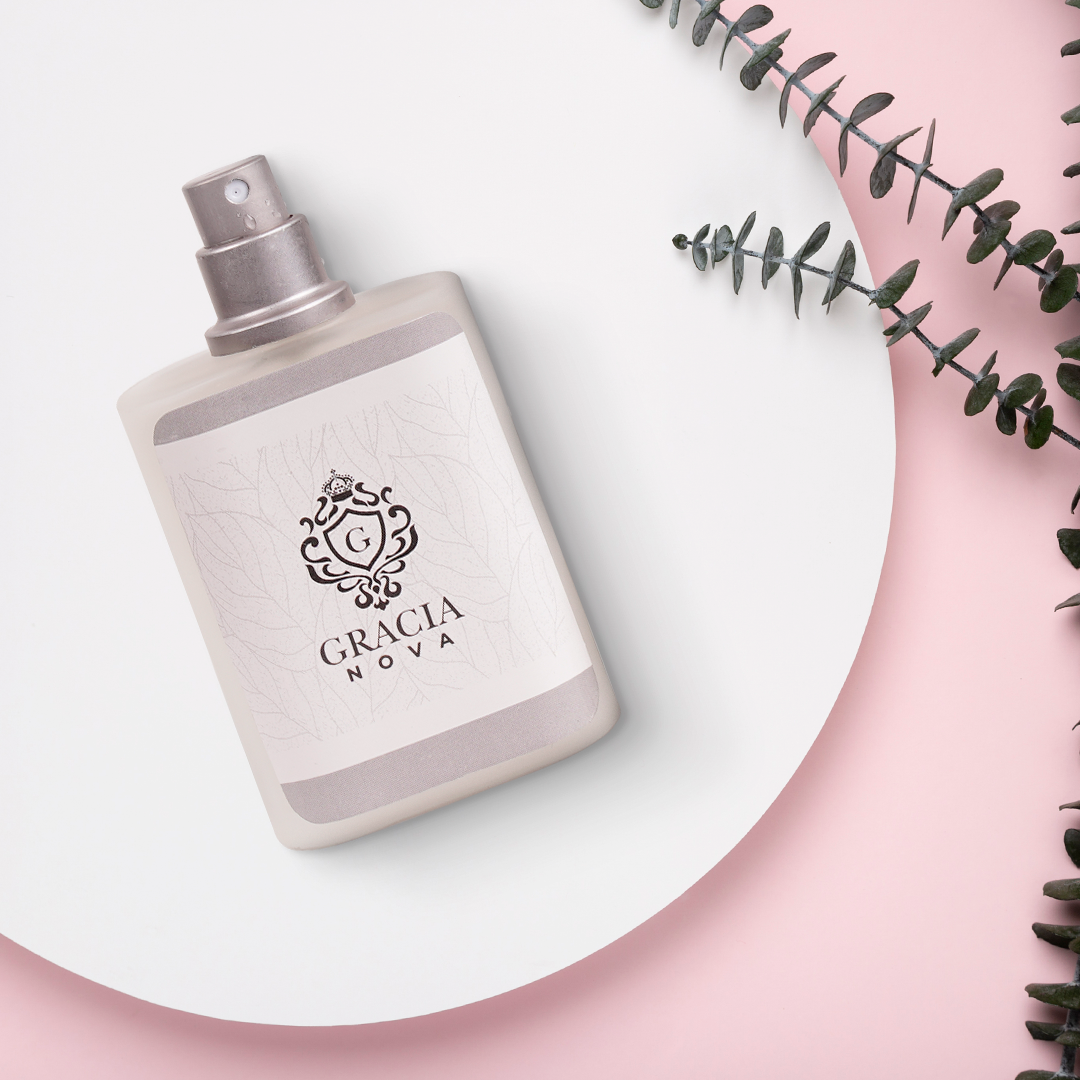
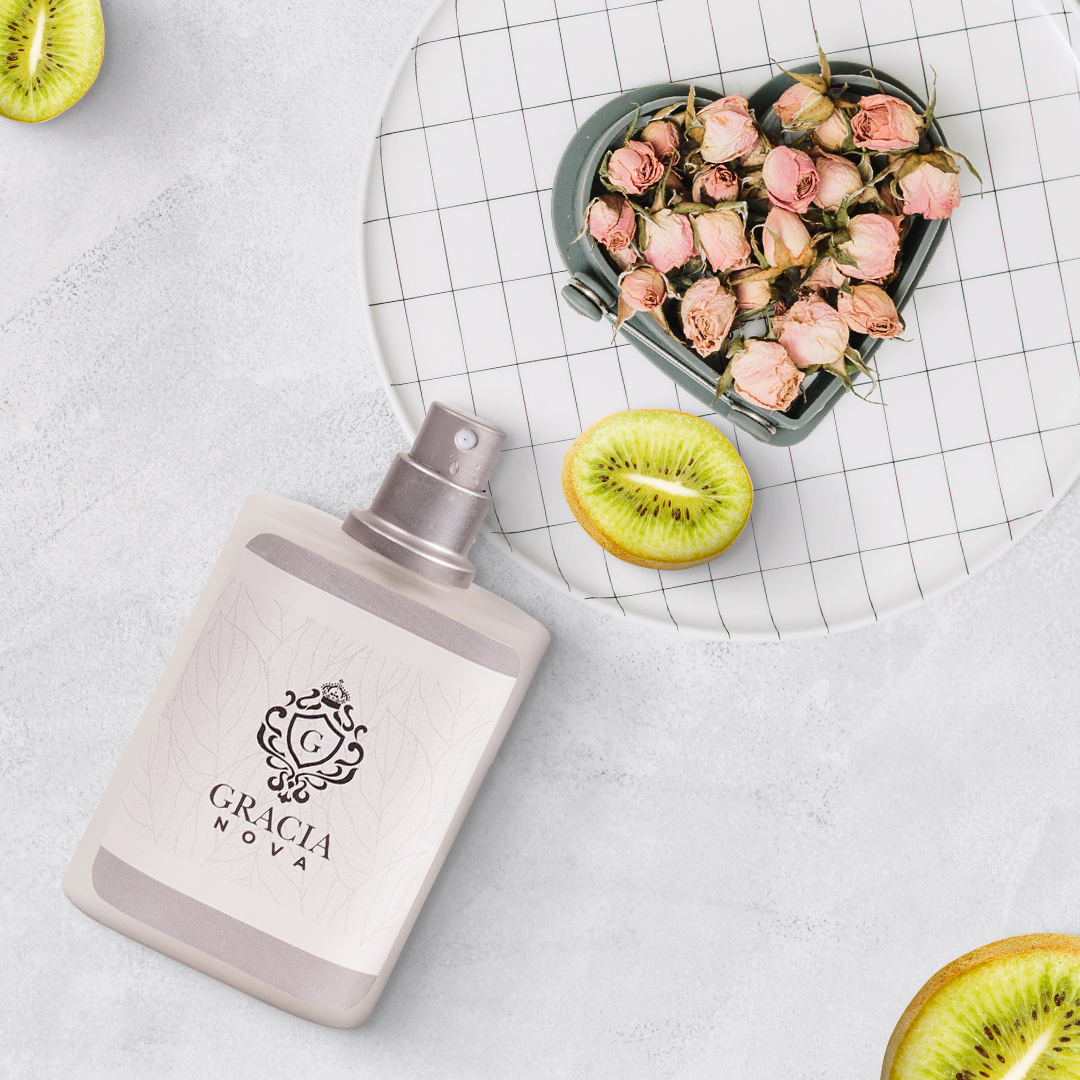
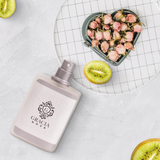
Products like Gracia Nova’s feminine spray can complement your hygiene routine when used correctly:
• Always clean the area before applying any topical product
• Use only products with clearly listed, natural ingredients
• Avoid products with alcohol, artificial fragrance, or unrecognized chemicals
• Store products in a cool, dry place away from direct sunlight
8. Regular Gynaecological Check-ups
Annual gynaecological check-ups are an important part of women’s health that are often neglected in Pakistan. A gynecologist can screen for infections, assess any changes in vaginal health, and provide personalized guidance on intimate care.
Many women in Pakistan visit a doctor only when a problem becomes severe. Preventive care can catch issues early and save you from discomfort and more serious health concerns later.
🛒 Support your intimate wellness with Gracia Nova — Pakistan’s only 100% organic feminine spray → gracia-nova.store